‘Positive Charge’ season finale: What we learned across eight episodes chasing climate solutions
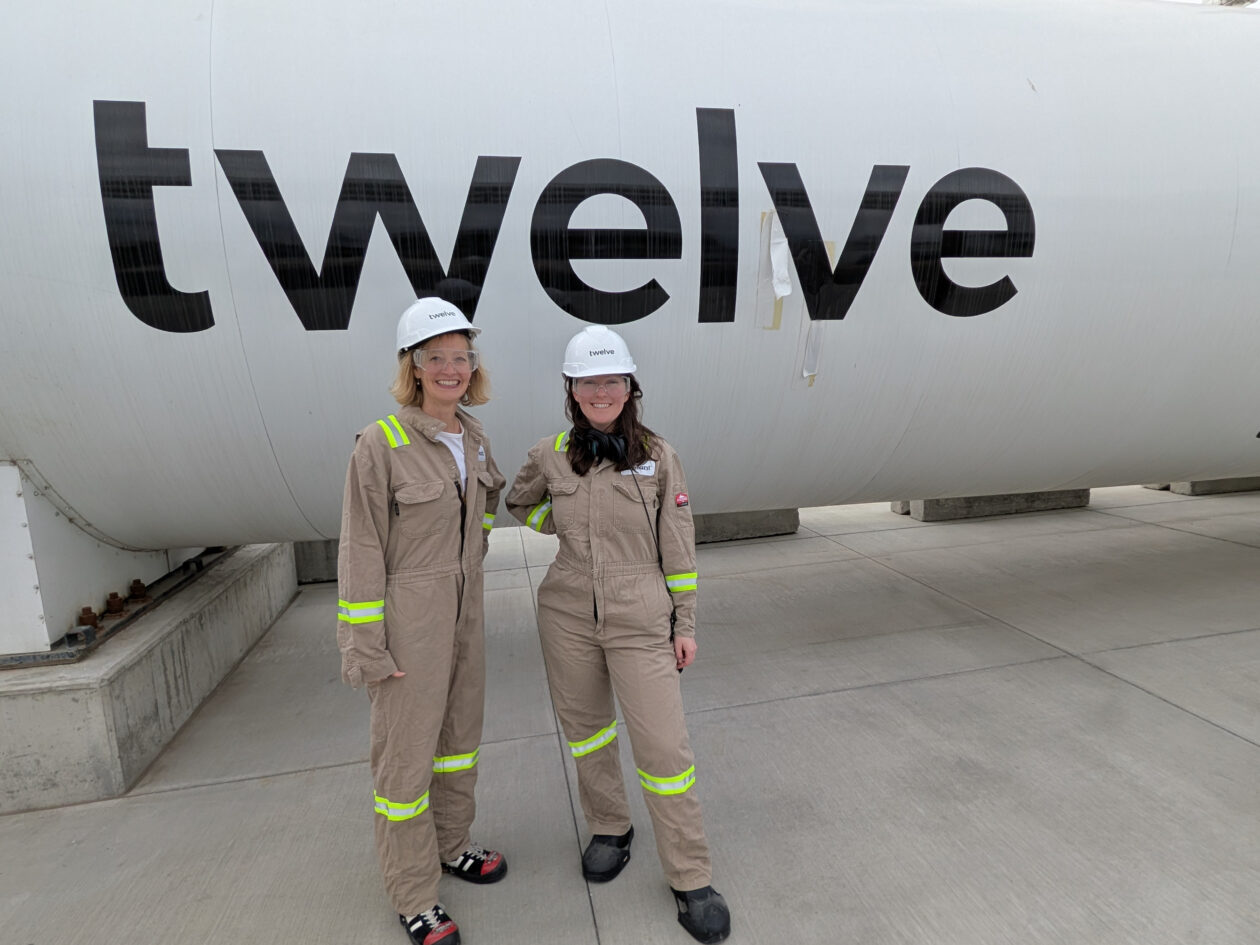
Positive Charge hosts Lisa Stiffler, left, and Laura Scott suited up in hard hats and safety goggles, fire retardant jumpsuits and steel-toed protective gear to tour Twelve’s sustainable aviation fuel plant in Moses…
 GeekWire
Subscribe to Positive Charge: Apple Podcasts, Spotify, Amazon Music, All Episodes
Editor’s note: GeekWire reporter Lisa Stiffler, who covers climate and sustainability, co-hosts the Positive Charge podcast with producer Laura Scott.
We went inside a fusion lab in Everett, a jet fuel plant in Moses Lake and a factory in British Columbia giving old EV batteries a second life. We tasted plant-based chicken nuggets at 9 a.m. and stepped into a shipping container in Tacoma that destroys “forever chemicals.”
Over eight episodes, the inaugural season of the Positive Charge podcast from GeekWire went across the Pacific Northwest (and beyond) in search of promising climate and sustainability technologies to help humanity dig our way out of some pretty dire environmental straits.
While the challenge is huge — a warming planet, increased use of fossil fuels, toxic chemicals in our food and water — there are wide-ranging solutions out there, and many are taking hold.
On this episode, GeekWire co-founder Todd Bishop sits down with producer Laura Scott and me, the hosts of Positive Charge, to look back on the season. We explore the themes that emerged across the episodes, savor some highlights and even get a little emotional when discussing the question of whether all of it left us more hopeful about the planet.
Key themes from the series
Going behind the scenes. At Helion Energy in Everett, we got a sneak peek of a miniaturized fusion test device that was cordoned off and still under construction. To see it, we walked behind a huge plastic curtain, which Laura memorably compared to walking into the Costco dairy section.

Our podcast on alternative proteins went inside Rebellyous Foods, a startup manufacturing plant-based chicken nuggets being served in U.S. schools, as well as some medical and correctional facilities. We were offered a plate of the nuggets — which we scarfed down, despite the tour taking place first thing in the morning.
“My biggest regret of the whole season,” Laura said, “is that we did not take Rebellyous up on their offer to send us home with those chicken nuggets because you cannot buy them in stores.”
The importance of large, committed customers. A lot of these technologies are expensive propositions, from R&D to prototypes to scaling. “Having a willing and able corporate buyer is something that can really spark the innovation to happen,” Todd observed.
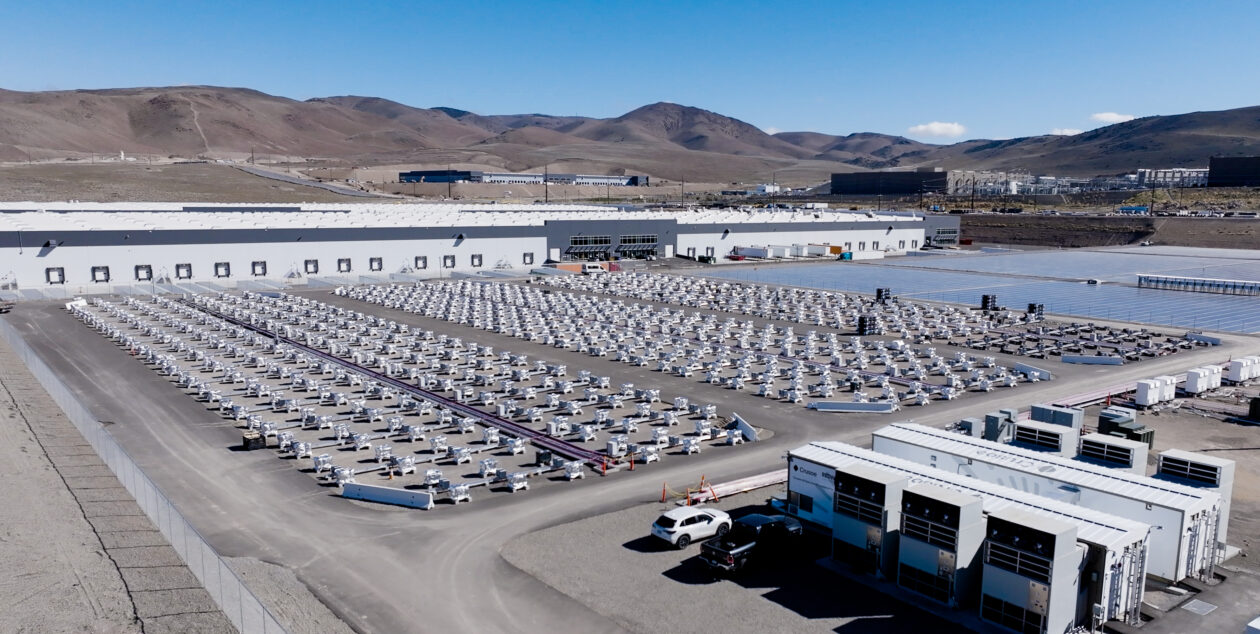
That includes Microsoft’s agreement to buy power from Helion, purchase agreements for sustainable aviation fuel from Twelve and Montana Renewables, and Redwood Materials‘ deal to supply used EV batteries to power a data center for Crusoe. Rebellyous built its business on school lunch programs.
The essential role of organizations coming together collectively to support new sustainable technologies was a key message of a New York Climate Week panel, where I interviewed Kara Hurst, Amazon’s chief sustainability officer, and Jason Knauf, CEO of The Earthshot Prize.
We discussed the fact that when customers commit, it unlocks investments to scale production. That in turn lowers costs for everything from faux nuggets to cleaner jet fuel.
AI is driving the money. The data centers behind the AI boom are often cast as a threat to tech companies’ climate goals. In several episodes, they were also a reason for money to flow into clean energy.
“There’s so much money going into environmental solutions because of data centers,” Laura said. “It’s a catalyst for funding. It’s a catalyst for fusion.”
There’s money to be made. While many sustainability entrepreneurs are fundamentally mission-driven, they’re also focused on the fiscal bottom line and so are venture capitalists.
At Pacific Northwest Climate Week, Laura was struck by how enthusiastic investors are about the space, and not only because they want to save the planet. They’re “entirely self-interested,” she said, “and that’s what gave me hope.”
Podcast Listen to all eight episodes of Positive Charge
PNW is a sustainability hub. In each episode of Positive Charge, we toured a Pacific Northwest startup, plus we interviewed related companies outside the area and sector experts.
The local companies included Helion and Zap Energy in Everett, Aquagga in Tacoma, Sedron Technologies in Sedro-Woolley, Twelve in Moses Lake, Rebellyous in Seattle and Moment Energy in British Columbia.
The range of topics reinforced the region’s standing as a hub for sustainable tech, including batteries, fusion, aviation, environmental cleanup, and even potentially overlooked fields, such as end-of-life services.
Laura’s unexpected favorite episode was about startups offering human composting as a green alternative to burial or cremation, and Todd ranked it a close second (his No. 1 was EV battery reuse).
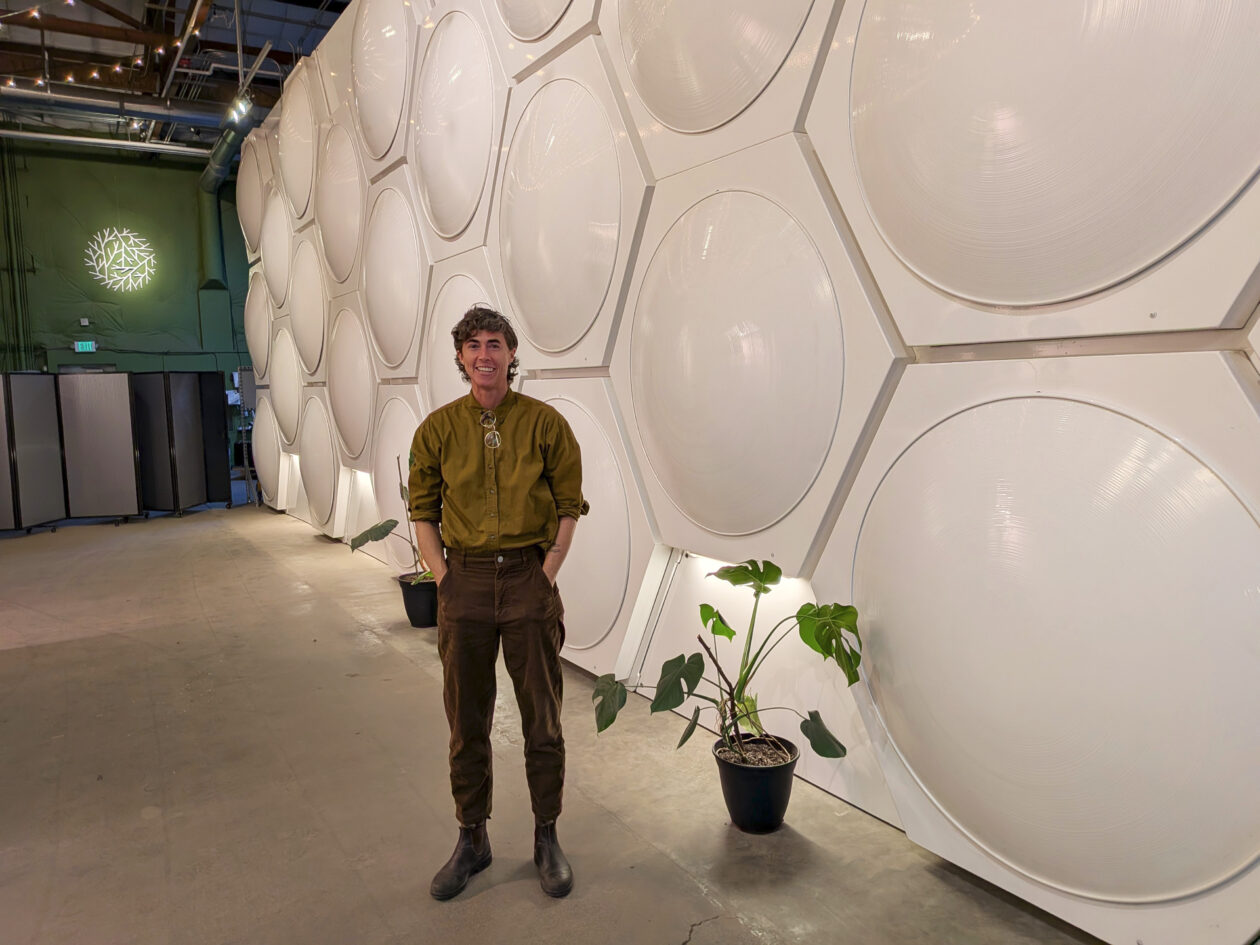
Seattle is home to Recompose — the first U.S. company to offer the service after its founder, Katrina Spade, spearheaded the effort in 2019 to make the practice legal. Since then, human composting startups Return Home and Earth Funeral have also launched in the Seattle area.
‘I can’t feel indifferent’
After exploring all of these technologies and talking to entrepreneurs, investors and leaders in the space, Todd asked if we were more or less hopeful for the planet.
“Definitely more hopeful,” Laura said. “I didn’t expect to feel more hopeful, though. I expected to feel about the same, or maybe a little bit worse.”
But seeing the financial case for these solutions helped shift her thinking. One example is Sedron, which is treating sewage waste with a technology that destroys PFAS forever chemicals and also generates enough clean electricity that the excess can be sold to others. Laura was impressed by the opportunity to do right by the environment while creating revenue.
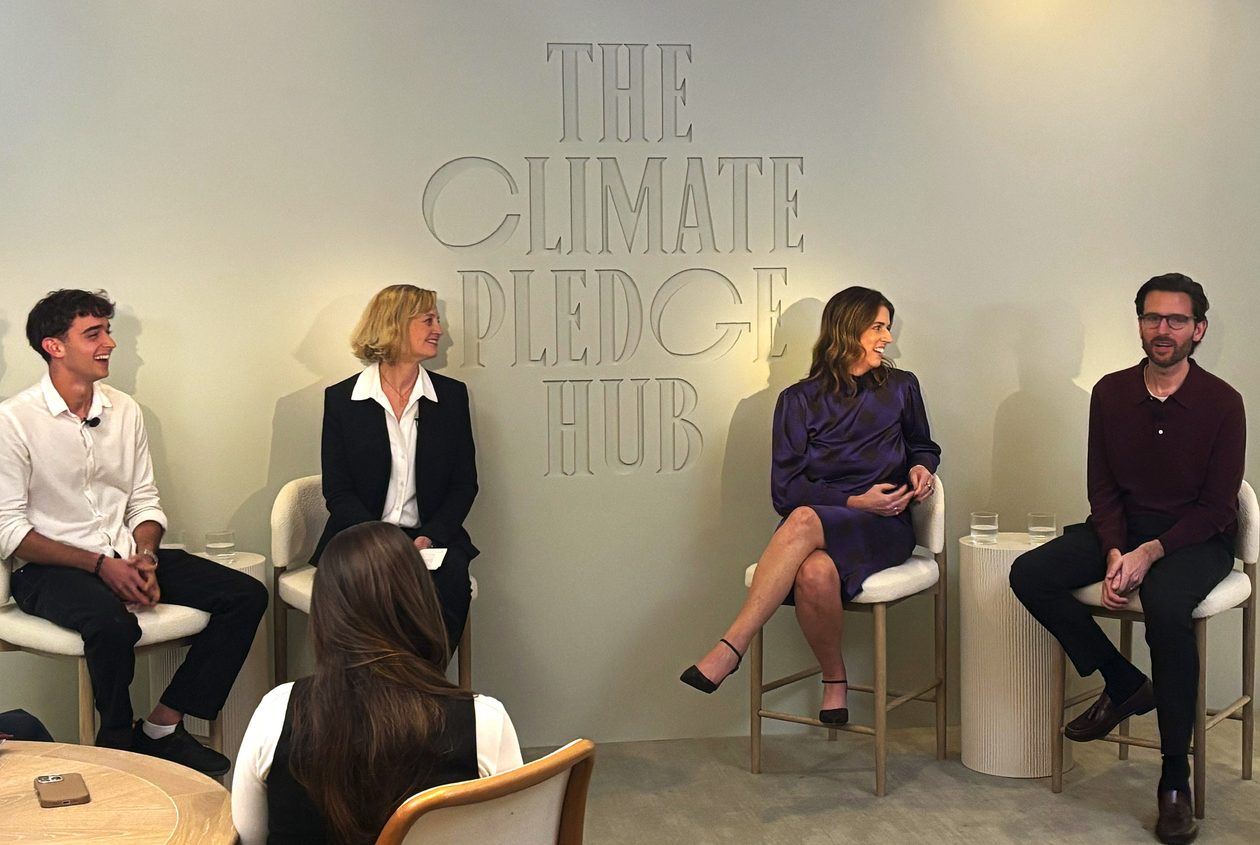
I hover between hope and anxiety. But after years of covering these issues, I appreciated a sentiment shared by Earthshot finalist Franco Rodríguez Viau, CEO and co-founder of Satellites on Fire, who said he needs to do everything he can to tackle climate change, whether or not humanity succeeds in reaching its goals.
That’s how I feel about covering climate. As I mentioned on the show, I don’t know if I feel hopeful, “but I can’t feel indifferent. I have to show up and do this.”
Listen to the full season
- Eternal no more: The quest to destroy PFAS ‘forever chemicals’
- Fusion energy: Wishing upon a star in a jar
- The greenest goodbye: Human composting and the science of becoming soil
- Rooftop confessions: 4 big climate tech insights from investors and innovators
- Your used EV battery isn’t dead: It’s being resurrected to power the grid
- From plant nuggets to bug kibble: Inside the alternative protein revolution
- Climate Week NYC: Amazon’s Kara Hurst on AI data centers; Earthshot’s Jason Knauf on climate optimism
- New fuel, same planes: Can cooking oil and captured carbon clean up air travel?
Positive Charge is a GeekWire podcast sponsored by Amazon Sustainability.
// RELATED
 Techmeme
US smartphone shipments fell 9% YoY in Q3 as memory costs hit Android OEMs, especially at the low end; Apple's share rose from 50% to 57%, Samsung holds at 25% (Maurice Klaehne/Counterpoint Research)
Maurice Klaehne / Counterpoint Research : US smartphone shipments fell 9% YoY in Q3 as memory costs hit Android OEMs, especially at the low end; Apple's share rose from 50% to 57%, Samsung holds at 25% — - US…
 Droid Life
Samsung Galaxy Buds4 Pro Smacked to 42% Off
The Samsung Galaxy Buds4 Pro are about as quality as it gets for wireless earbuds in the tech space. These are the types of earbuds that compete directly with Apple’s AirPods, they just do so on this Android side of…
★ Obvious Affordances Are Due for a Comeback
Speaking of Marcin Wichary, like me, he’s a big user of Apple Notes. Unlike me, he’s such a big user of Notes that he (somehow) uses Notes as the CMS for the whole Unsung blog. In a post this week , he wrote about how…
 Techmeme
Apple removes MiniMax's chatbot Talkie from the App Store worldwide over sexual content, after outlets showed it evidence of AI characters sexualizing children (TBIJ)
TBIJ : Apple removes MiniMax's chatbot Talkie from the App Store worldwide over sexual content, after outlets showed it evidence of AI characters sexualizing children — Talkie's characters belittle and sexualise…
 Latent Space
The Revolution vs The Renaissance — Thariq Shihipar, OpenAI
AI can make software cheap enough to produce by the thousand and still give you more time to make one thing feel right. At AI Engineer CODE, Thariq Shihipar shows how those two futures can coexist. In his fighting game,…
 Techdirt
Daily Deal: MagStack Foldable 3-in-1 Wireless Charging Station with Floating Stand
MagStack is the perfect on-the-go wireless charging station that also transforms into a floating stand for smartphone FaceTime or video playback while charging. This 3-in-1 foldable design enables charging for up to 3…